Which Great Lake in Michigan Is Best? Ever stood on Michigan’s shoreline and wondered which Great Lake truly steals the show? From crystal-clear waters to hidden coves, each lake offers its own brand of magic. We’ll break down what sets Lake Michigan, Lake Huron, and Lake Superior apart by size, vibe, and visitor perks-so you can pick your perfect escape.
Overview of Michigan’s Great Lakes
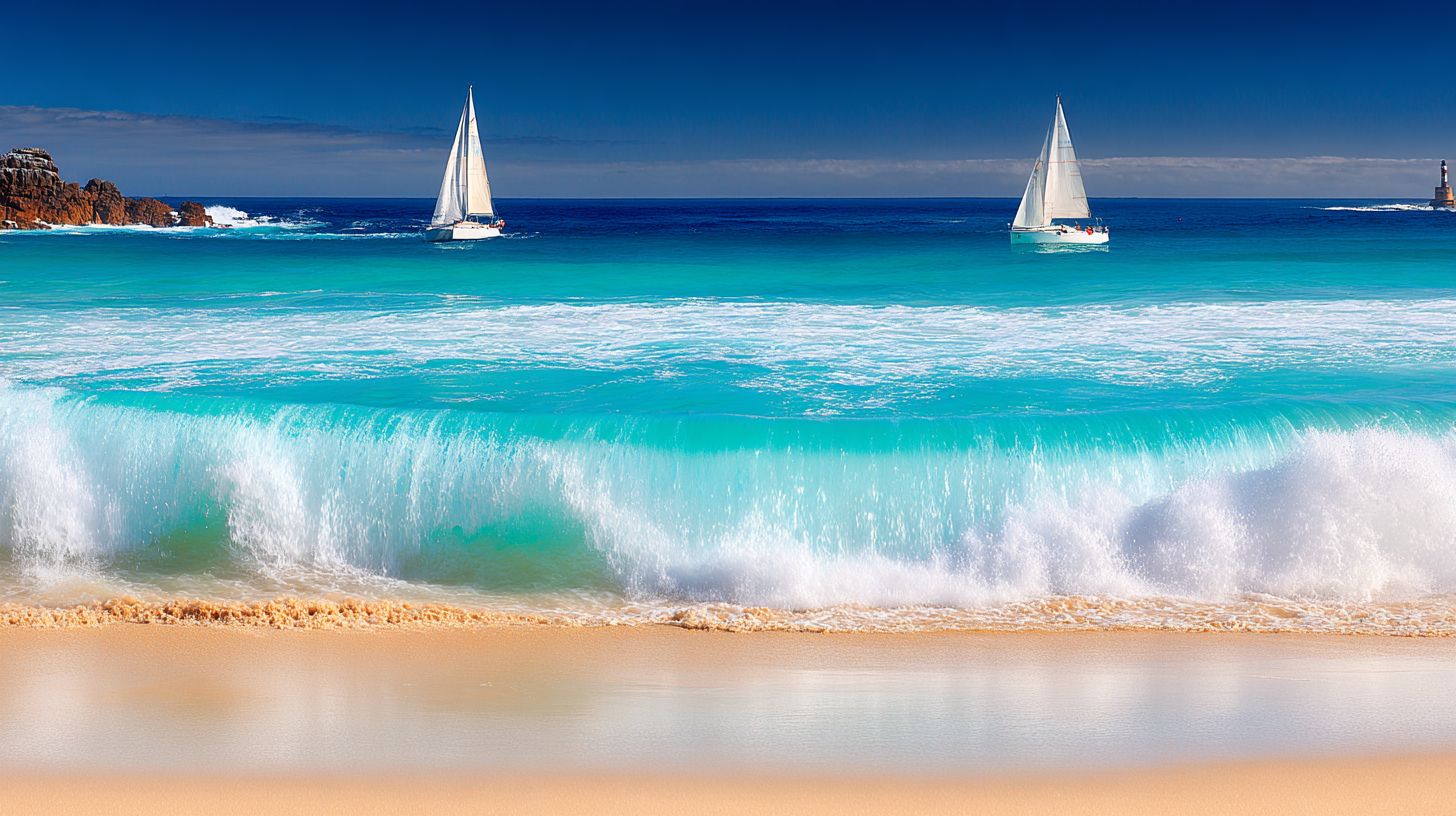
First sentence: Michigan borders four of the five Great Lakes, Superior, Michigan, Huron, and Erie, each with distinct water temperatures, depths, and shoreline characteristics that determine the best time to visit. These lakes vary dramatically in size and feel. Your choice depends on what kind of experience you seek.
Total surface area stats show clear differences among the lakes. Lake Superior covers 31,700 square miles. Lake Michigan spans 22,300 square miles. Lake Huron reaches 23,000 square miles. Lake Erie covers 9,910 square miles.
Average summer water temperature varies by lake. Lake Superior stays around 55 degrees. Lake Michigan warms to about 68 degrees. Lake Huron averages 65 degrees. Lake Erie reaches its warmest at 72 degrees.
Shoreline lengths in Michigan also differ significantly. Lake Superior offers 1,250 miles. Lake Michigan provides 820 miles. Lake Huron has 580 miles. Lake Erie stretches just 40 miles along the state border.
Key access points help you reach each lake easily. Munising serves as the main gateway to Lake Superior. Traverse City sits on Lake Michigan. Port Austin provides entry to Lake Huron. Monroe connects visitors to Lake Erie.
Comparison Criteria
Evaluate each lake using seven measurable criteria: average July water temperature, maximum depth, clarity and visibility, beach access points, fishing species diversity, and seasonal visit data. These measurements provide a consistent way to compare the Great Lakes Michigan options side by side.
Water temperature comes from NOAA buoy stations that record readings throughout the summer months. Depth data pulls from official NOAA lake depth maps showing the lowest points across each basin. Clarity measurements rely on Secchi disk readings published by the EPA Great Lakes Program for consistent visibility data.
Beach access counts draw from Michigan DNR state park listings that track public shoreline locations. Fish species diversity comes from MDNR sport fishing guides listing available catches throughout the seasons. Visitor numbers use Pure Michigan tourism statistics to show seasonal patterns across different regions.
Kayak rental availability tracks local outfitter counts near major access points along each shoreline. These seven factors together create a practical framework for determining the best Great Lake Michigan for specific interests and activities.
Lake Michigan
Lake Michigan stands out as the only Great Lake that sits entirely within the United States borders. This placement gives visitors easier access without crossing into Canada.
The lake stretches 307 miles north to south along Michigan’s western shoreline. That length creates plenty of room for different experiences along the coast.
One highlight includes the 35-mile stretch of sand dunes found between Empire and Leland. These dunes form part of Sleeping Bear Dunes National Lakeshore.
Ferry service runs from Leland out to the Manitou Islands. The trip offers a chance to explore more remote areas of the lake.
Key Features
Lake Michigan averages 68 degrees in July and reaches 923 feet at its deepest point near its southern basin. These conditions make the water inviting for many visitors.
State parks and national lakeshore areas provide 65 public beaches along this shoreline. Each location offers its own mix of sand quality and water access.
Seven locations charge an $11 day pass for entry. Those spots include Grand Haven State Park, Holland State Park, Saugatuck Dunes, Warren Dunes, Silver Lake, Ludington State Park, and Van Buren State Park.
Fishing rules set daily catch limits for several species. Coho salmon allows five fish per day, Chinook salmon allows three, lake trout allows two, and yellow perch allows fifteen.
Kayak rentals start at $25 per hour in Traverse City and $30 per hour in South Haven. These rates give paddlers a simple way to get on the water.
The Empire Bluff Trail covers 8.5 miles through the dunes. Platte River Campground charges $35 per night for sites with basic facilities.
Traverse City sits near 44 wineries that welcome visitors throughout the year. The Cherry Festival runs from July 1 through July 8 each summer.
Lake Huron
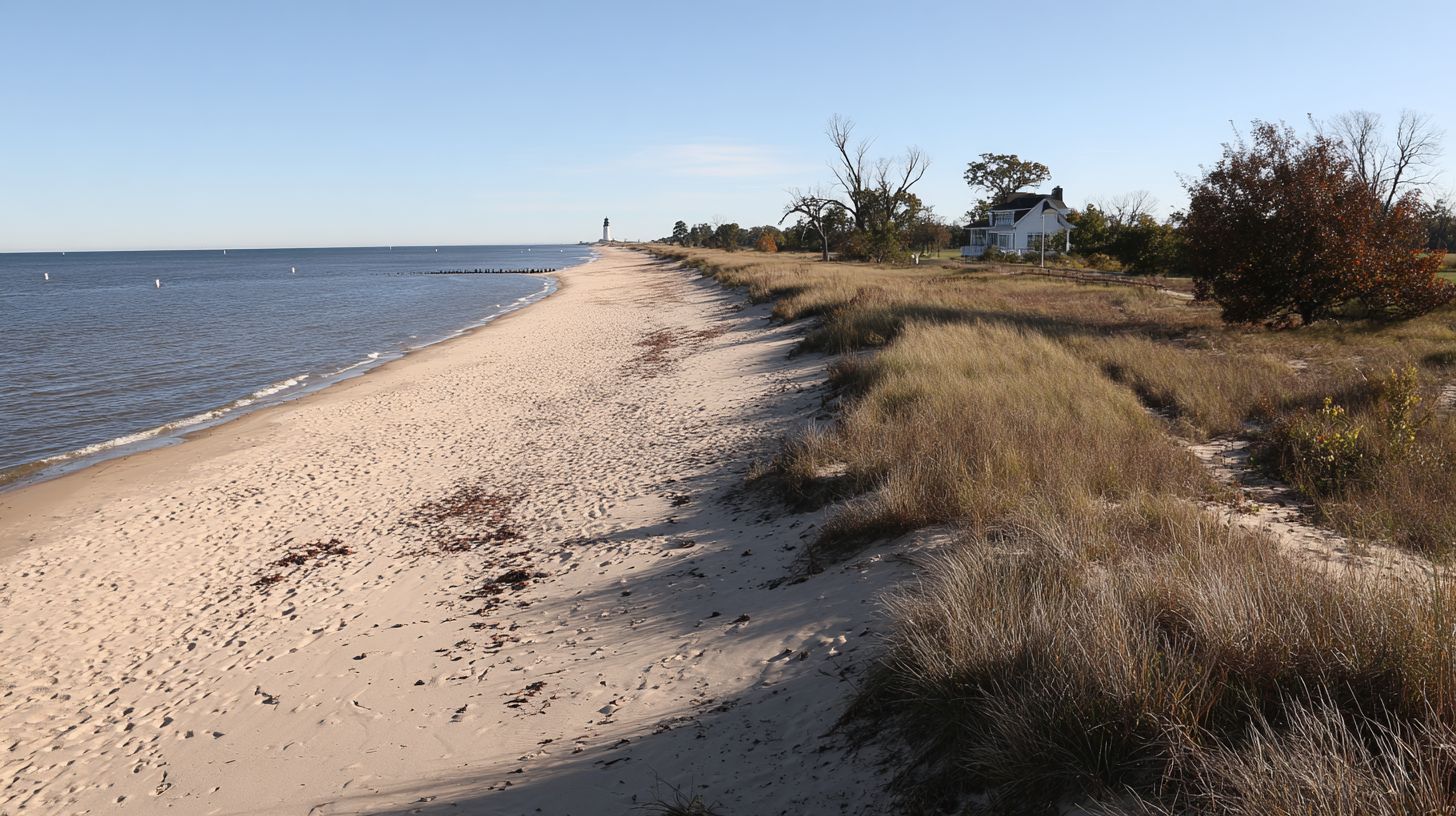
Lake Huron features the longest freshwater coastline in Michigan and connects to Lake Michigan through the Straits of Mackinac, creating unique paddling and sailing routes.
This connection forms part of the combined Huron-Michigan system that stands as the world’s largest freshwater lake by surface area at 45,300 square miles.
The northeastern Lower Peninsula offers over 200 miles of undeveloped shoreline for those seeking natural beauty and quiet beaches.
Thunder Bay National Marine Sanctuary protects over 100 known shipwreck sites that attract divers and history enthusiasts from across the region.
The 75-mile Huron Sunrise Trail runs from Alpena to Rogers City and provides excellent opportunities for hiking and cycling along the water’s edge.
Key Features
Lake Huron maintains 65 degrees Fahrenheit average July water temperature and provides 580 miles of Michigan shoreline with 42 state park access points.
Several beaches offer distinct attractions for different preferences and activities throughout the season.
- Port Austin charges an 8 dollar day pass and includes a 2-mile breakwall walk perfect for evening strolls.
- Harrisville State Park requires an 11-dollar fee and features a 1,200-foot swimming beach with calm waters.
- Tawas Point State Park costs 11 dollars and provides birdwatching blind rentals at 5 dollars per day.
- Cheboygan State Park charges 11 dollars and offers 3 miles of shoreline for extended walks and exploration.
- Rogers City requires an 8 dollar pass and grants access to limestone quarry swimming areas with unique rock formations.
Fishing regulations help maintain healthy populations of several popular species throughout the lake.
Walleye fishing allows a catch limit of 5 per day with a minimum size of 15 inches.
Northern pike rules permit 2 fish daily with a 24-inch minimum length requirement.
Yellow perch fishing permits up to 50 fish per day with no size restriction in most areas.
Kayak tours depart from Mackinaw City and cost 89 dollars for a 3-hour guided experience through protected waters.
The Old Presque Isle Lighthouse includes a 200-foot viewing platform that costs 4 dollars for admission and delivers panoramic lake views.
Tahquamenon Falls State Park offers camping at 35 dollars per night, along with a 4-mile Upper Falls Trail that leads to impressive waterfalls.
Lake Superior
Lake Superior holds the record as both the largest Great Lake by volume (2,900 cubic miles) and the coldest, averaging 55 degrees F even in peak summer. This massive body of water creates a unique environment along the Michigan shoreline that stretches from Ironwood to Sault Ste. Marie.
The lake reaches a maximum depth of 1,332 feet, making it the deepest of all the Great Lakes. Clear water provides visibility exceeding 100 feet in many offshore areas, creating ideal conditions for underwater exploration.
Visitors can access more than 100 waterfalls directly from the shore. Tahquamenon Falls stands out with its impressive 200-foot drop that draws sightseers throughout the seasons.
The 15-mile stretch of Pictured Rocks National Lakeshore features dramatic cliffs that boat tours depart from Munising to showcase. The Keweenaw Peninsula offers nine historic lighthouses along a scenic 43-mile drive between Eagle Harbor and Copper Harbor.
Key Features
Lake Superior reaches 1,332 feet maximum depth and provides water clarity exceeding 100 feet visibility in offshore areas. This combination creates exceptional conditions for water activities and exploration along the Michigan shoreline.
Several beaches provide access to the lake with different entry options. Pictured Rocks National Lakeshore beaches require a $7 vehicle parking pass at Miners Castle, while Grand Marais offers an $8 day pass with a 1.5-mile sand beach and campground facilities.
Presque Isle Park in Marquette provides free entry with a 2.2-mile loop trail for hiking. Porcupine Mountains State Park charges a $9 day pass and includes 90 campsites for overnight stays.
Hiking trails offer multiple options for different skill levels. The 42-mile Lakeshore Trail includes 12 backcountry campsites, while shorter routes like the 4-mile Miners Castle to Miners Beach trail and 3-mile Chapel Loop trail provide waterfall views.
Additional attractions include the Glass Bottom Shipwreck Tour departing from Munising. The Whitefish Point Underwater Preserve contains over 500 shipwrecks suitable for diving enthusiasts. Scenic drives like the 21-mile South Boundary Road in Porcupine Mountains lead to the Presque Isle River waterfalls via a 2-mile round-trip trail.
Conclusion: Best Choice
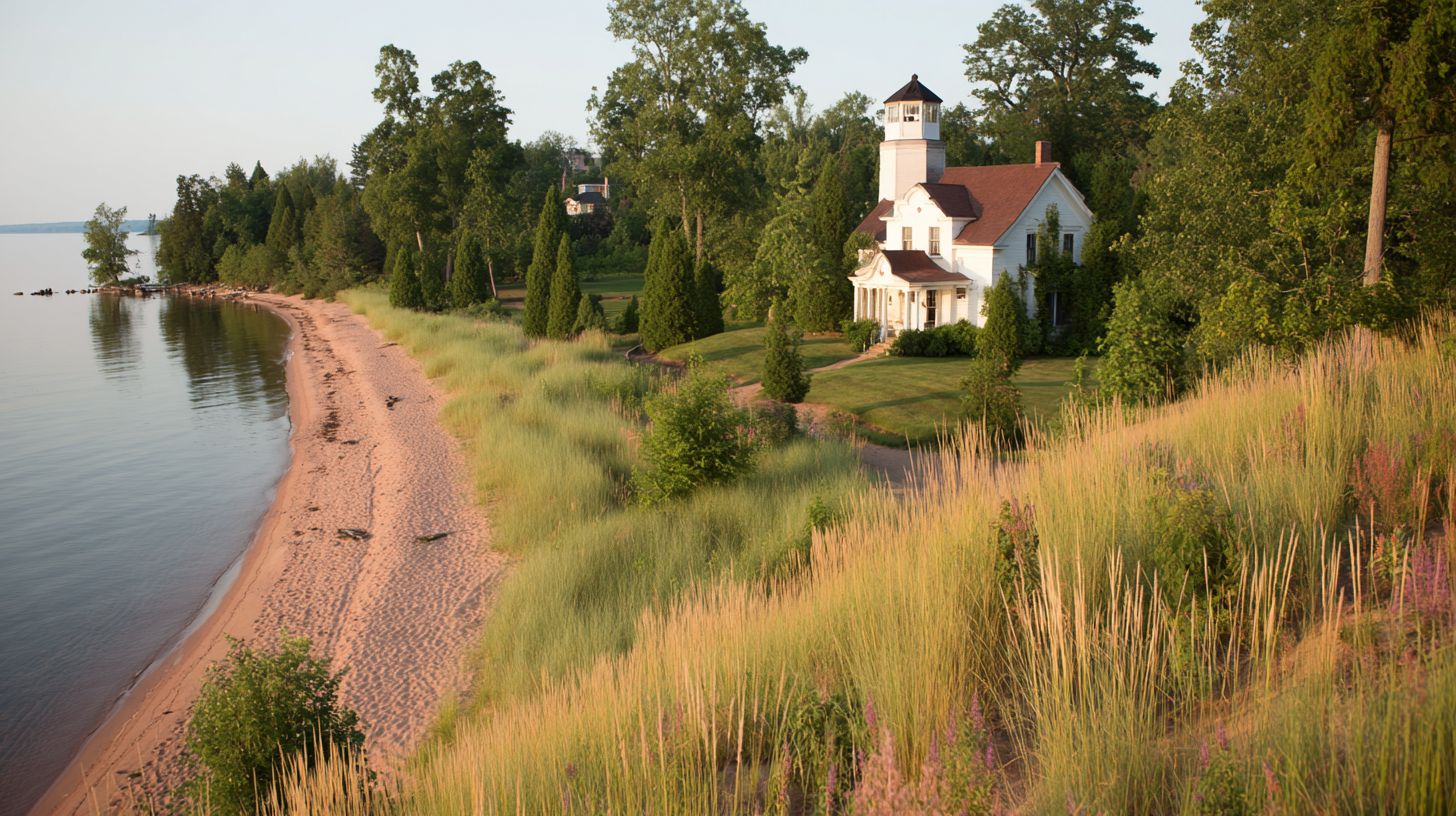
Your choice depends on activity priority: Lake Michigan for warmest swimming and family beaches, Lake Huron for balanced fishing and paddling, Lake Superior for dramatic scenery and hiking.
Each great lake in Michigan offers distinct advantages based on traveler type. Consider your group composition and preferred activities before deciding which destination fits best.
A decision matrix helps match specific needs to the right lake. Four common traveler profiles show clear patterns in selecting among the options.
Families with kids under 12 often select Lake Michigan. This lake provides 68-degree water temperatures along with 65 beaches that include lifeguard services at 12 locations.
Serious anglers tend to prefer Lake Huron. This choice includes access to walleye, pike, and perch with defined catch limits, plus 15 charter operations in the Alpena area.
Photographers and hikers gravitate toward Lake Superior. The dramatic 100 foot cliffs pair with a 42 mile trail system and more than 100 waterfalls throughout the region.
Couples seeking lighthouses and wineries choose the Lake Michigan corridor between Traverse City and Charlevoix. This route features 44 wineries, nine lighthouses, and 15 bed and breakfast options.
Seasonal timing also shapes the best experience. Lake Michigan works well from June through August when water temperatures reach their peak.
Lake Huron supports activities from May through September with moderate conditions across a longer window. Lake Superior remains most comfortable during July and August only due to colder water and weather patterns.
Frequently Asked Questions
Which is the best Great Lake in Michigan for beach lovers?
Lake Michigan stands out with its stunning sandy shores, warm waters in summer, and easy access from cities like Grand Rapids and Chicago.
How can you decide which is the best Great Lake in Michigan for your next trip?
Consider your priorities, such as water sports, scenery, or crowds, as each lake offers unique experiences from Superior’s rugged cliffs to Huron’s islands.
What makes Lake Superior a top pick when asking which is the best Great Lake in Michigan?
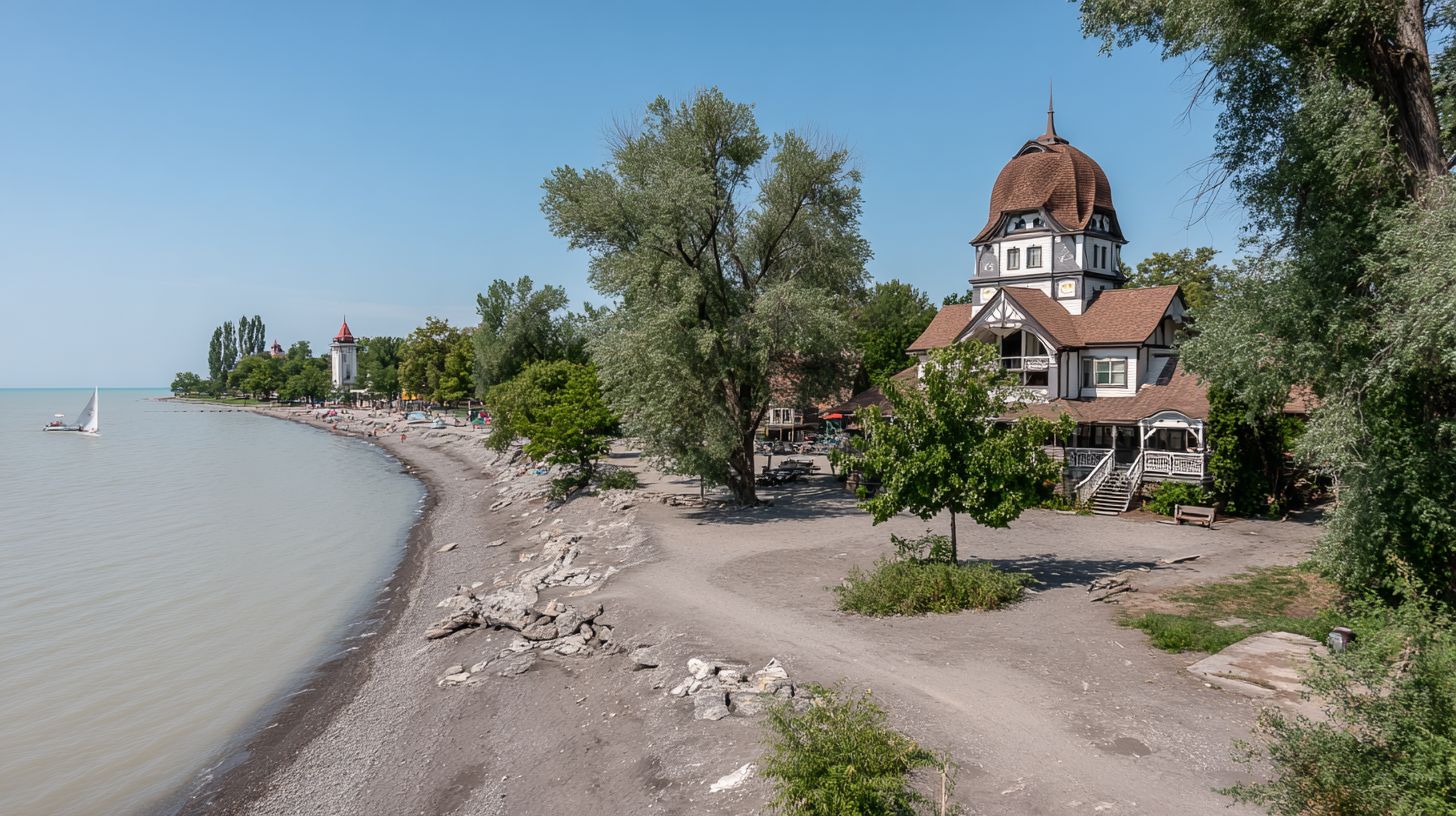
Its pristine wilderness, excellent kayaking, and record-setting depths provide an adventurous escape unmatched by the others.
Is fishing the key factor in determining which is the best great lake in michigan?
Yes, for many anglers, Lakes Huron and Erie offer abundant perch and walleye, while Michigan provides great salmon runs.
Which is the best Great Lake in Michigan for families with kids?
Lake Michigan usually wins due to its gentle waves, numerous state parks, and family-friendly beaches with lifeguards and amenities.
Why might visitors choose Lake Erie when researching which is the best Great Lake in Michigan?
Erie boasts the warmest waters for swimming, productive fishing, proximity to Detroit plus affordable waterfront parks.
