Picture yourself waking to the call of loons on a misty northern lake-pure Michigan magic. Yet one wrong move with the weather, a campsite, or a curious black bear, and your weekend unravels fast. From weather & seasons that flip overnight, to state park reservations that vanish in minutes, plus bear safety, insect protection, and Leave No Trace rules that keep the wild pristine, these five essentials turn potential headaches into the trip you’ll brag about all year.
Weather & Seasons
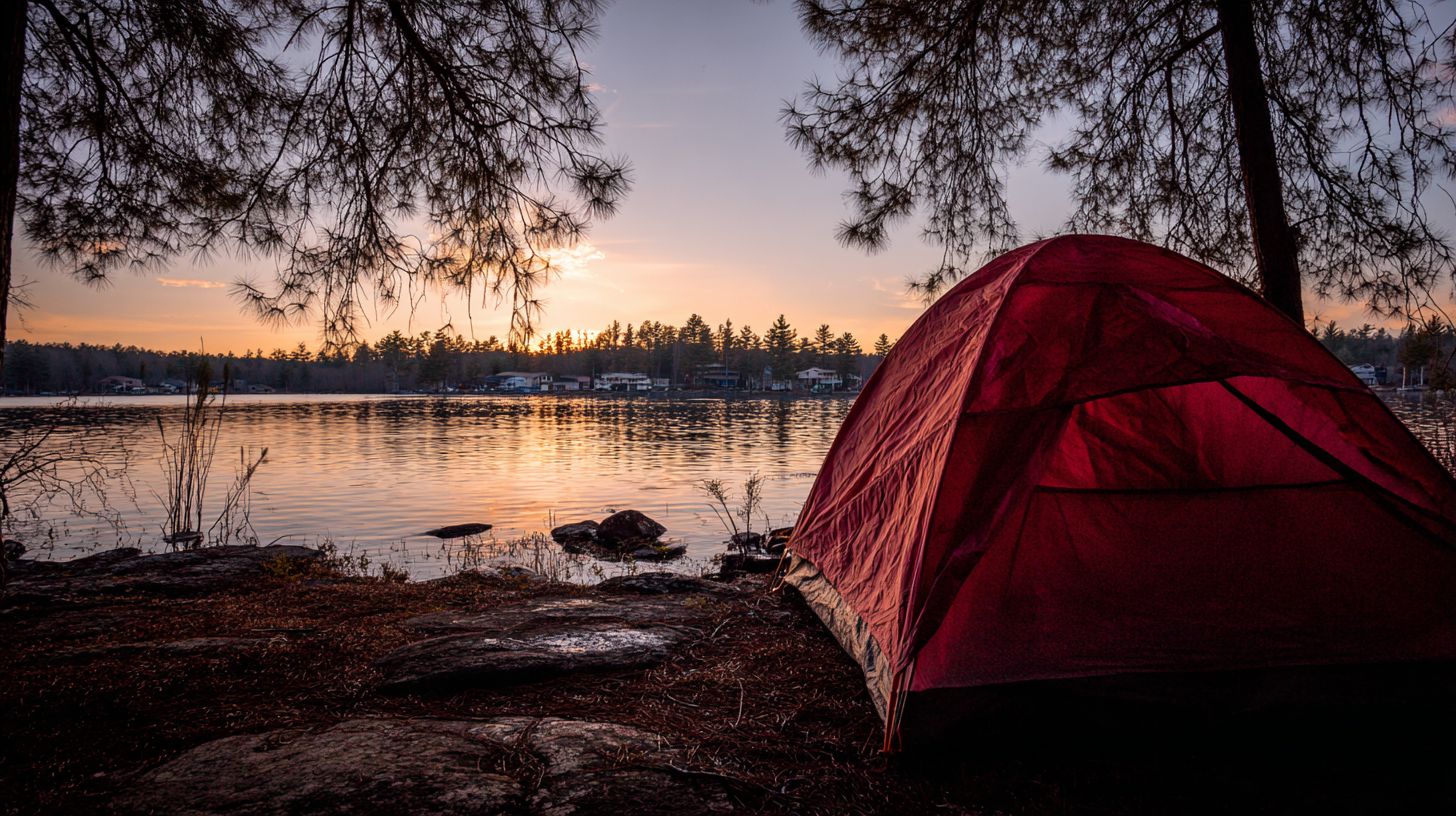
Michigan’s four distinct seasons shift campsite decisions from May through October peak season to shoulder months that often cost 30% less. Planning around temperature swings helps you pack smarter and avoid surprises. Each season brings its own rhythm to camping in Michigan.
Summer from June through August brings daytime highs near 75 degrees. State park sites fill quickly, so reservations often need booking half a year ahead. Nights stay pleasant, yet afternoon storms can roll through without warning.
Fall offers highs between 50 and 65 degrees along with brilliant foliage. Temperatures drop near freezing after dark, so sleeping bags rated to zero degrees keep you warm. Color tours draw crowds on weekends.
Spring arrives with highs from 40 to 55 degrees and frequent showers. Rain chances hover near 60 percent, so waterproof layers and four-season tents handle the conditions. Trails may still carry mud from snowmelt.
Winter closes most campgrounds from November into March. Only a dozen DNR locations remain open, offering vault toilets but no water hookups. Access roads at Sleeping Bear Dunes often shut from December 1 until April 15.
Check the NOAA forecast three days before arrival. Adjust your setup with a sleeping bag rated to 10 degrees, a rain fly rated at 2000mm, and a portable propane heater for extra comfort.
State Park Reservations
Michigan DNR launched its new reservation system in 2022 at michigan.gov/dnr, requiring reservations 6 months ahead for 74 state parks. This system makes it easier for people planning camping in Michigan to secure spots at popular locations. Many visitors find the process straightforward once they understand the steps involved.
Start by creating a free account at the Michigan DNR portal. This account lets you manage all your bookings in one place. You can access it from any device when you need to check availability or make changes later.
Next, search by park or region, such as Pictured Rocks or Porcupine Mountains. The system shows results based on your preferred dates and group size. You can narrow results quickly by choosing specific areas of the state.
Filter options include electric hookups, water hookups, and dump stations. These features matter for RV camping in Michigan or for anyone who needs extra convenience. Review each site description carefully before selecting your choice.
Pay a $8 to $17 reservation fee plus nightly rates ranging from $17 to $33. The final cost depends on the park location and amenities included. Most payments process instantly once you confirm your selection.
Keep the 24-hour cancellation window in mind for full refunds. This policy gives you flexibility if plans change unexpectedly. Always check the exact terms before finalizing any booking.
Download offline map PDFs for areas with zero cell service. Many remote spots in the Upper Peninsula lack reliable coverage. Having these maps saved ahead of time prevents navigation issues during your trip.
Bear Safety
Michigan’s 12,000-15,000 black bears concentrate in Upper Peninsula counties, where 47 bear-human incidents occurred in 2023. These animals often visit campgrounds when they smell food or scented products. Proper storage habits help reduce unwanted encounters during your camping trip in Michigan.
Store food, toothpaste, and scented items in your vehicle or a bear-proof locker at least 100 yards from your tent. Keep these containers closed tightly throughout your stay. This simple step makes a big difference in keeping bears away from sleeping areas.
Cook meals 200 feet downwind from where you sleep and hang trash bags from designated poles. Clean all dishes right after eating. These habits prevent lingering smells that attract wildlife to your campsite.
Carry 8-10 oz of EPA-approved bear spray with a 25-foot deployment range and know how to use it quickly. Practice the motion before you leave home. A DNR officer once removed a yearling from Porcupine Mountains campground after it learned to unzip coolers left unattended.
Never approach bear cubs in the wild. Mother bears can charge at speeds up to 30 mph when they feel threatened. Give all bears plenty of space and back away slowly if you spot one near your tent.
Insect Protection
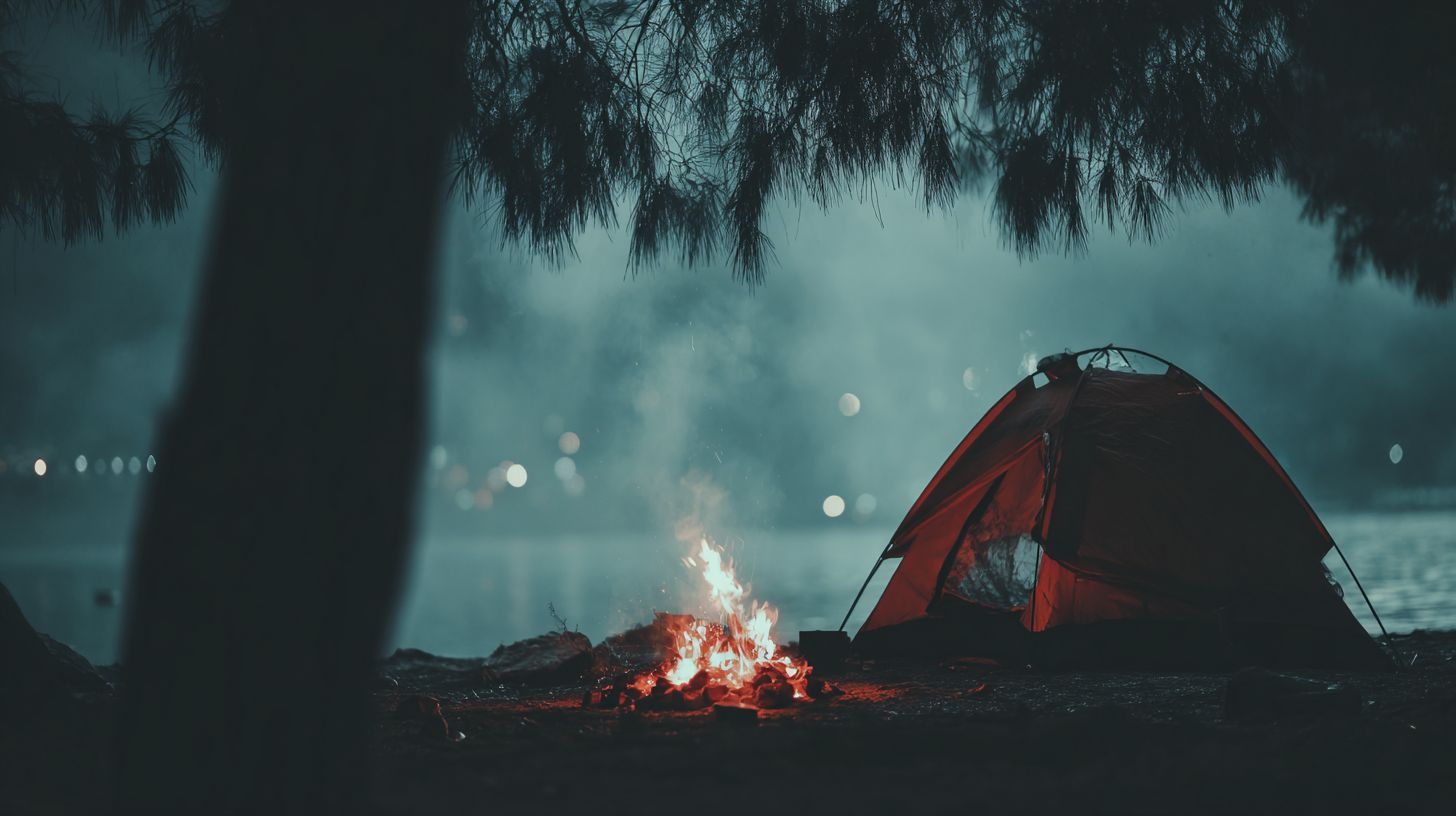
Michigan’s 2024 mosquito population peaks in June-July with 200+ bites per hour reported at lakeside sites without DEET. Summer camping in Michigan requires planning for bugs from the start. Campers who prepare ahead avoid most issues during their trips.
Apply 25-30% DEET or 20% picaridin to clothing 30 minutes before sunset. This timing allows the product to set before active feeding hours begin. Focus on areas like pant cuffs and shirt collars where insects land first.
Use a Thermacell MR300 portable repeller, creating a 15-foot zone rated 98% effective. Position the device near your tent entrance during evening hours. Many state parks camping visitors carry extra fuel cartridges for longer trips.
Tuck pant legs into socks and spray permethrin on gear to repel ticks carrying Lyme in Manistee National Forest. This approach works well for hiking trails in Michigan and dispersed camping in Michigan. Check your skin each night with a 10x magnifying glass, paying attention to armpits and hairline areas.
Carry Tecnu or Zanfel for poison ivy found along many Lower Peninsula trails. Rinse affected skin immediately after contact occurs. Isle Royale campers using integrated mesh shelters reported zero bites versus 37 average on open tent sites. Plan your Michigan camping checklist to include these items before departure.
Leave No Trace Rules
Michigan enforces Leave No Trace principles on 3.9 million acres of national forest with $250 fines for violations. These rules protect the state’s lakes, dunes, and forests that attract thousands of campers each season. Following them keeps popular spots open for future visitors.
Campers must stay at least 200 feet from water sources. Mark your spot with GPS coordinates before leaving so you can return easily. This distance protects streams and lakes from contamination.
Only burn Michigan DNR-certified heat-treated firewood or buy on-site bundles. Out-of-state wood is banned to prevent the spread of invasive pests. Use existing fire rings only and make sure fires are cold ashes before you leave.
Pack out all toilet paper and hygiene products in zip bags. Disperse greywater at least 200 feet from lakes and strain food bits before scattering. Stay on marked trails to protect fragile dune systems at Sleeping Bear Dunes.
A 2023 sting operation cited 19 groups at Pictured Rocks backcountry sites for improper waste disposal. These fines show that rangers actively enforce regulations across state and national forests. Proper planning prevents costly mistakes during your Michigan camping trip.
Frequently Asked Questions
What weather preparations are essential for camping in Michigan?
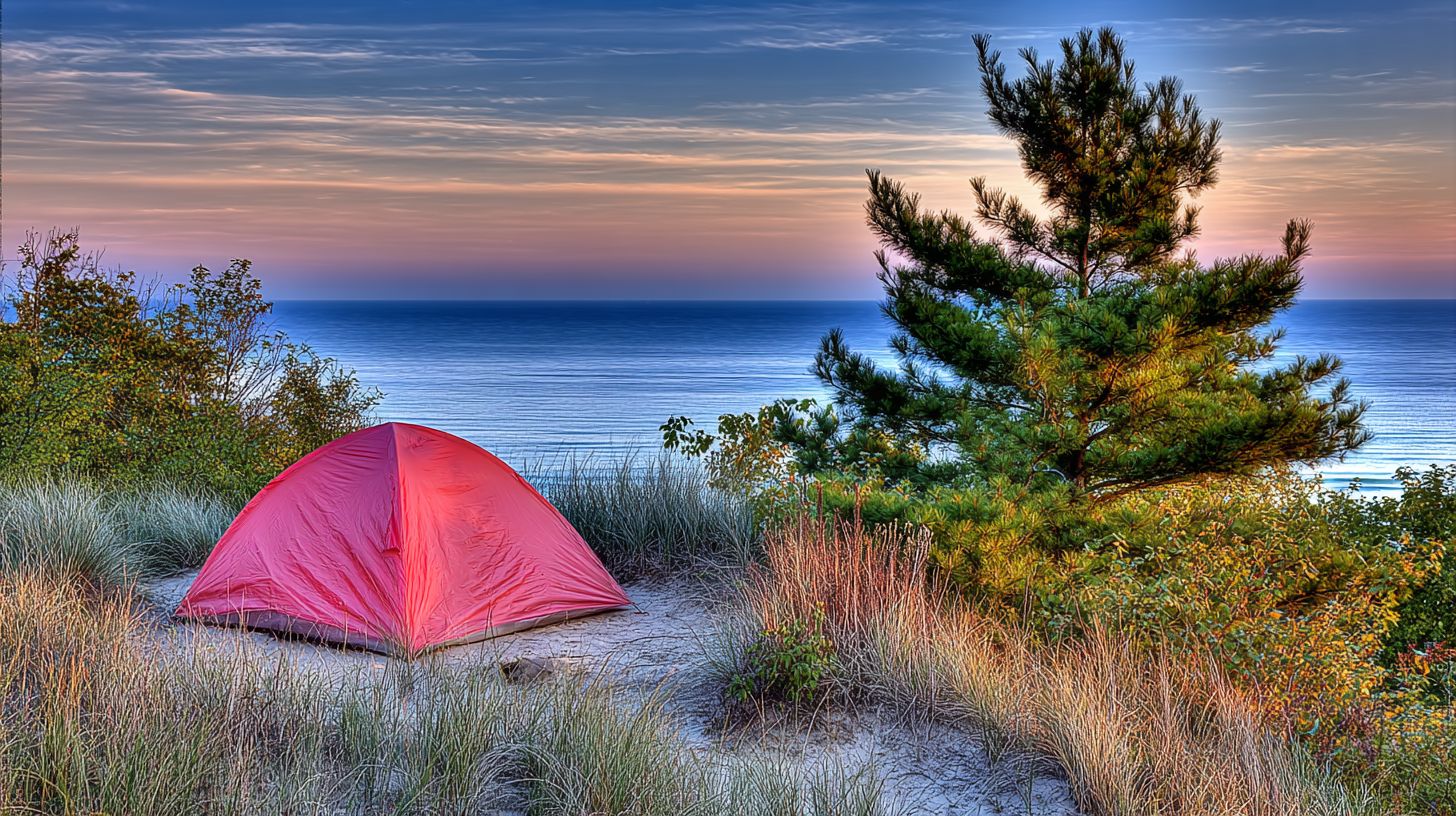
Always pack layers and check forecasts, as one of the 5 things you need to know about camping in Michigan is preparing for sudden changes.
Which permits do I need for state park sites?
Reserve ahead through official channels, since understanding the 5 things you need to know about camping in Michigan includes securing proper permits first.
How can I stay safe around local wildlife?
Store food properly and maintain distance from animals, a key part of the 5 things you need to know about camping in Michigan for any trip.
What are the best times to visit Michigan campgrounds?
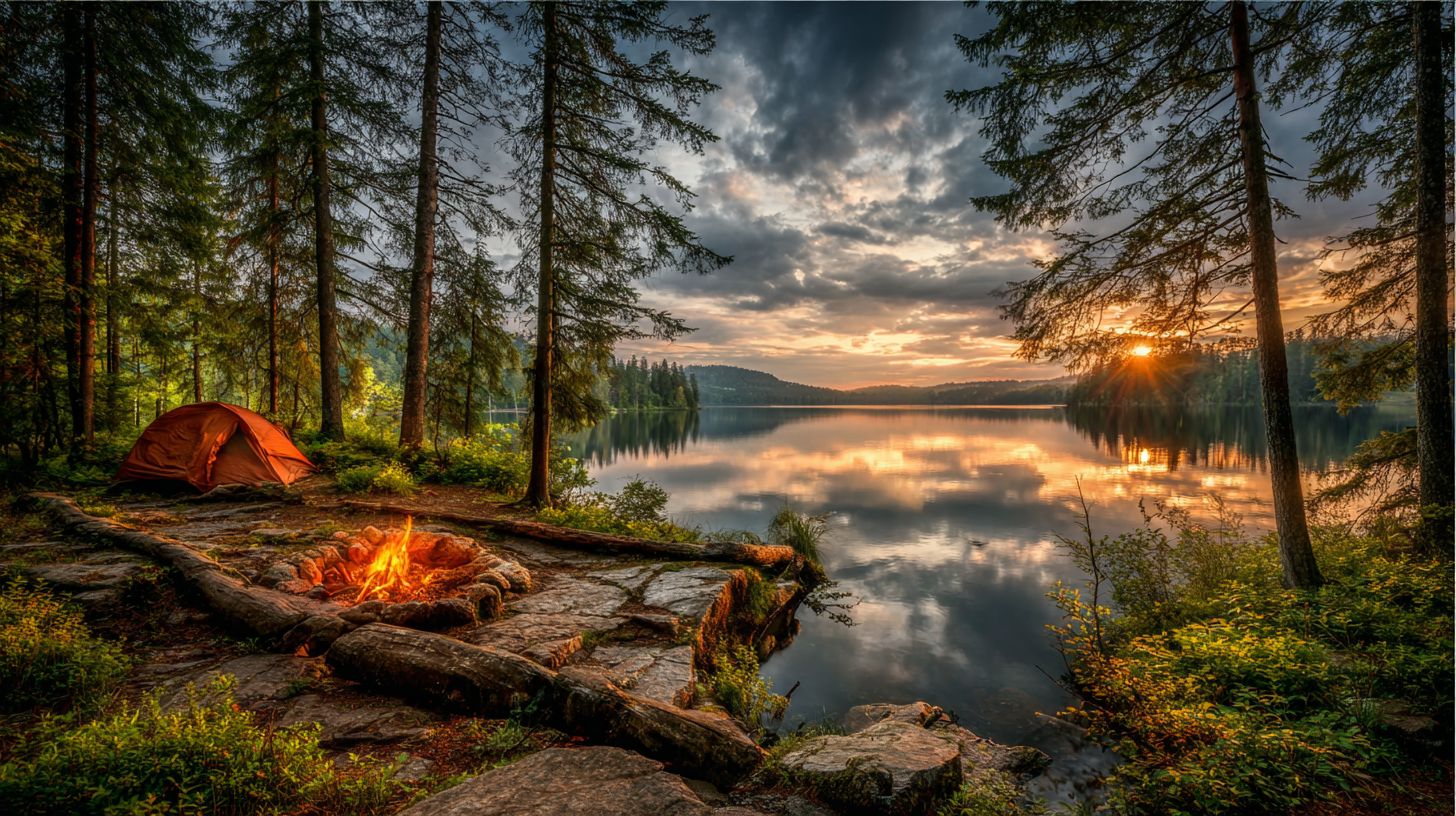
Shoulder seasons offer fewer crowds and better availability, which ties into the 5 things you need to know about camping in Michigan for planning.
Are there rules about campfires in Michigan?
Follow current burn bans and use designated rings, essential knowledge from the 5 things you need to know about camping in Michigan.
How do I choose a suitable campsite location?
Look for level ground near water sources but away from hazards, another detail covered in the 5 things you need to know about camping in Michigan.
